PCOD and Irregular Periods: Symptoms, Diagnosis and Treatment Options
Irregular periods can be confusing, especially when they occur alongside acne, changes in weight, or increased facial hair. These symptoms can have several causes, including polycystic ovary syndrome (PCOS), which is also commonly referred to as PCOD in everyday conversation.
For women exploring Ayurvedic treatment for women’s health in Sharjah, understanding the symptoms, diagnosis, and available treatment options is an important starting point. Let’s look at what PCOD really means.
What Is PCOD or PCOS?
PCOS is a hormonal and metabolic condition that can affect menstrual cycles, ovulation, and androgen levels. The term PCOD is frequently used to describe a similar set of concerns, although PCOS is the more widely used clinical term in current medical guidance.
Not everyone with PCOS experiences the same symptoms. Some women have irregular periods, while others notice acne, increased facial or body hair, thinning scalp hair, or difficulties with ovulation.
The condition may also be associated with insulin resistance and an increased risk of certain long-term health problems.
What Causes Irregular Periods?
Irregular periods do not automatically mean that someone has PCOS. Stress, significant changes in weight, thyroid disorders, pregnancy, certain medications, and other hormonal conditions can also affect menstrual cycles.
If your periods frequently become irregular, stop unexpectedly, or change significantly, consult a qualified healthcare professional to investigate the cause.
How Is PCOS Diagnosed?
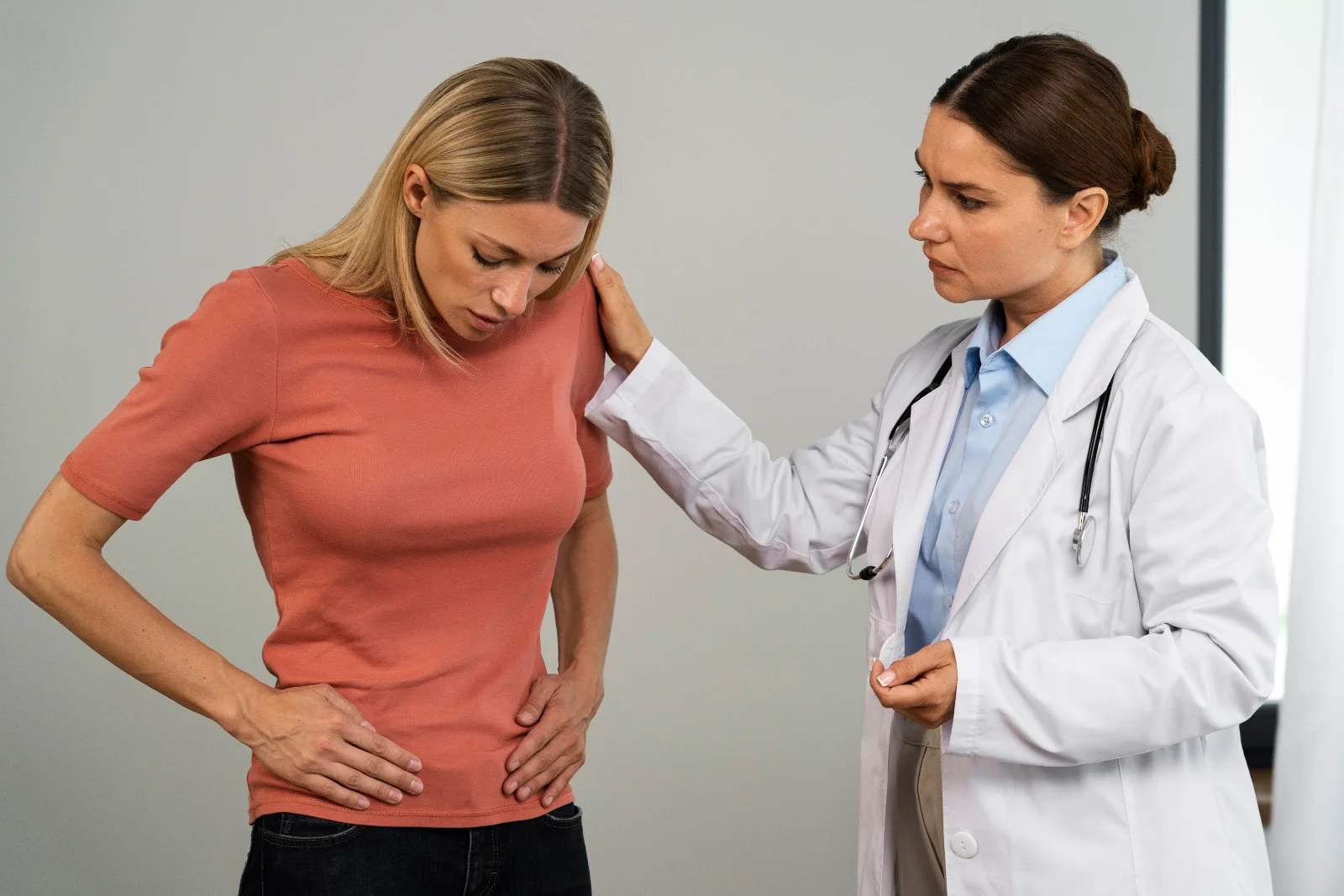
PCOS is diagnosed through a clinical assessment rather than symptoms alone. Depending on the individual, evaluation may involve a medical history, physical examination, blood tests, and sometimes an ultrasound. Other possible causes of irregular periods or hormonal symptoms may need to be excluded.
Early assessment can help women understand their symptoms and discuss appropriate options for menstrual health, metabolic health, and fertility where relevant.
Can Ayurveda Be Part of Women’s Healthcare?
Ayurveda is a traditional healthcare system that considers an individual’s symptoms, daily habits, and overall health.
Some women explore Ayurvedic care alongside conventional medical management. However, evidence supporting Ayurvedic treatments as a means of curing PCOS or reliably restoring ovulation is limited. Herbal preparations may also interact with prescribed medications.
An Ayurvedic consultation should therefore complement, rather than replace, appropriate gynaecological assessment and evidence-based treatment. At Al Manar Ayurvedic Center, women can enquire about the centre’s listed services for PCOD and menstrual disorders and discuss their individual circumstances with the clinical team.
Finding the Right Care in Sharjah
If you are looking for an Ayurvedic clinic in Sharjah, choose a centre that encourages appropriate medical evaluation and communicates treatment options transparently.
You should feel comfortable discussing your symptoms, current medications, medical history, and health goals before making decisions about care. Contact Al Manar Ayurvedic Center to enquire about its women’s healthcare services and consultation process.
Frequently Asked Questions
PCOD is a commonly used term for a pattern of hormonal and reproductive concerns often associated with PCOS. PCOS is the more widely recognised clinical term.
Symptoms may include irregular periods, acne, increased facial or body hair, scalp hair thinning, and difficulties with ovulation. Symptoms vary between individuals.
No. Irregular periods can have several causes, including pregnancy, thyroid disorders, stress, and other hormonal changes.
Diagnosis involves a clinical assessment and may include blood tests and ultrasound. Other possible causes of symptoms must also be considered.
There is insufficient high-quality evidence to show that Ayurvedic treatment cures PCOS. Proper care focuses on managing symptoms and associated health risks.
Balanced nutrition, regular physical activity, sufficient sleep, and appropriate medical care can support overall health and help manage certain PCOS-related concerns.
Yes. PCOS can interfere with ovulation and make conception more difficult for some women, although many women with PCOS can conceive with appropriate support.
Yes. Herbal products can interact with prescription medicines and may have side effects. Always disclose supplements and herbal preparations to your healthcare professionals.
You can contact Al Manar Ayurvedic Center to enquire about its services relating to PCOD and menstrual disorders.
Seek medical advice if irregularity persists, periods stop unexpectedly, or symptoms such as severe pain or unusually heavy bleeding occur. Seek urgent care for severe bleeding accompanied by dizziness or fainting.